
If you’re serious about car audio, investing in a calibrated measurement microphone is essential for achieving the best sound quality. In 2026, a range of options will be available, each with unique features tailored for specific needs. From the Dayton Audio iMM-6 to the miniDSP UMIK-1, these tools can make a noticeable difference. Let’s explore the top contenders and what makes each one stand out for car audio enthusiasts like you.
Dayton Audio iMM-6 Calibrated Measurement Microphone for iPhone and Android
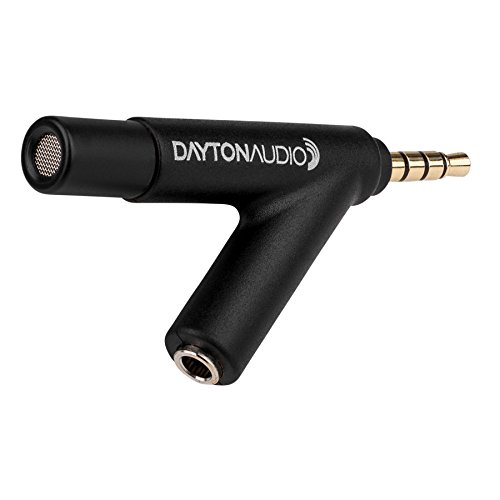
If you’re looking for a reliable and precise tool for measuring car audio, the Dayton Audio iMM-6 Calibrated Measurement Microphone is an excellent choice for both iPhone and Android users. This precision condenser microphone connects easily via the 3.5mm TRRS headset jack, making it compatible with various devices including iPads and Windows Phones. Its handy kickstand feature elevates and angles the microphone capsule for ideal measurements. Plus, the headphone/line-out pass-through jack allows you to listen to test signals effortlessly. With this versatile tool, you’ll enhance your audio measurement capabilities and achieve the best sound quality in your car.
Best For: Audio enthusiasts and professionals seeking a precise measurement tool for optimizing car audio systems on both iPhone and Android devices.
Pros:
- High precision with a calibrated condenser microphone ensures accurate audio measurements.
- Versatile compatibility with multiple devices including iPhone, iPad, Android, and Windows Phones.
- Convenient kickstand feature allows for optimal positioning of the microphone for measurements.
Cons:
- Limited to devices with TRRS jack, which may exclude some newer models without this feature.
- May require additional adapters for certain devices that lack a 3.5mm TRRS port.
- Not designed for professional studio use, as it is tailored more for mobile measurements.
miniDSP UMIK-1 USB Measurement Calibrated Microphone

The miniDSP UMIK-1 USB Measurement Calibrated Microphone stands out for anyone serious about optimizing their car audio system. It features a unique calibration file for each unit, ensuring accurate sensitivity and frequency response. With plug-and-play compatibility across Windows, Mac, Linux, and iDevices, you won’t struggle to set it up. It works seamlessly with all major acoustic software, including Dirac Live and REW. Included accessories like a mini tripod, USB cable, windsock, and a padded transport case make it convenient for field use. Whether you’re measuring or monitoring, the UMIK-1 is your go-to tool for precision in audio tuning.
Best For: The miniDSP UMIK-1 is best for audio enthusiasts and professionals seeking precise acoustic measurements for optimizing sound systems.
Pros:
- Unique calibration file for each unit ensures high accuracy in measurements.
- Plug-and-play compatibility allows for easy setup across various operating systems without the need for additional drivers.
- Comes with useful accessories including a mini tripod and padded transport case for portability.
Cons:
- May be overkill for casual users who do not require detailed acoustic measurements.
- The price point might be higher compared to basic microphones not designed for measurement.
- Some users may find the learning curve steep if they are unfamiliar with acoustic measurement software.
Superlux ECM999 Measurement Microphone – Omnidirectional Condenser Mic

For audio engineers and enthusiasts seeking precise measurements, the Superlux ECM999 Measurement Microphone stands out as an ideal choice. Its omnidirectional design captures true room acoustics, making it perfect for home theater setups and studio acoustic measurements. With a frequency response of 20 Hz to 20 kHz and the ability to handle high sound pressure levels up to 132 dB SPL, it excels in both quiet and high-volume environments. Compatible with various audio interfaces and calibration software, it guarantees accurate sound reproduction. Plus, its included carrying case and mic clip make it easy to transport for any audio project.
Best For: Audio engineers and enthusiasts who require precise measurements for room calibration and sound analysis.
Pros:
- Omnidirectional design ensures accurate capture of room acoustics.
- Handles high sound pressure levels up to 132 dB SPL, suitable for various environments.
- Includes portable accessories like a carrying case and mic clip for easy transport.
Cons:
- Requires phantom power (12V–52V) which may not be available on all devices.
- XLR cable not included, necessitating an additional purchase.
- May not be suitable for applications requiring directional microphones.
Dayton Audio EMM-6 Precision Omnidirectional Microphone

Engineered for precision, the Dayton Audio EMM-6 is an exceptional choice for audio professionals who demand accurate measurements in car audio systems. This omnidirectional electret condenser microphone features a low noise FET input, minimizing low-frequency distortion. You’ll appreciate its included stand mount, foam windscreen, and transport case, making it easy to set up and protect. With high-quality components ensuring durability, it’s built to last. The unique calibration data file, complete with a response graph, guarantees reliable performance in acoustic analysis and calibration tasks. Perfect for various environments, the EMM-6 delivers the accuracy you need for effective audio testing.
Best For: Audio professionals seeking reliable and accurate measurements for acoustic analysis and calibration tasks.
Pros:
- Low noise FET input minimizes low-frequency distortion, enhancing audio clarity.
- Includes essential accessories such as a stand mount, foam windscreen, and transport case for convenient use and protection.
- Durable construction ensures longevity and reliability in various environments.
Cons:
- Omnidirectional design may pick up unwanted background noise in certain settings.
- Calibration data file may require additional software for analysis, increasing setup time.
- Price point might be higher compared to basic microphones, which could deter budget-conscious users.
Sony Calibration Mic Measurement Microphone ECM-AC2

Designed specifically for Sony audio video receiver home theater systems, the Sony Calibration Mic Measurement Microphone ECM-AC2 is perfect for enthusiasts who want to guarantee their car audio setup delivers peak sound quality. This genuine Sony product is compatible with around 150 different Sony receiver models, making it a versatile choice for calibration. The auto calibration process efficiently adjusts speaker output levels, ensuring maximum performance. However, be mindful that improper connections could lead to failed calibrations, displaying common error codes. For troubleshooting, you can refer to the product description for helpful tips and additional specifications.
Best For: Audiophiles looking to optimize their Sony home theater systems for superior sound quality.
Pros:
- Compatible with approximately 150 Sony receiver models, providing versatility for various setups.
- Auto calibration process ensures efficient adjustment of speaker output levels for peak performance.
- Genuine Sony product, ensuring reliability and quality in calibration for audio systems.
Cons:
- May fail if connections are improper, requiring careful setup to avoid calibration issues.
- Error codes may appear during auto calibration, which could complicate troubleshooting for users unfamiliar with the process.
- Limited compatibility with non-Sony receivers, restricting use for users with different audio brands.
Sound Level Calibrator for Noise Measurement

A reliable sound level calibrator is essential for anyone serious about accurate noise measurement in car audio setups. This device outputs precise sound levels of 94dB and 114dB, catering to both ½ inch and 1-inch microphones. It’s calibrated at sea level, ensuring you get accurate readings right from the start. With a long-lasting battery life of around 100 hours, you won’t have to worry about constant replacements. Plus, its compatibility with various weighting networks allows for flexible measurements in different environments. Using this calibrator guarantees that your audio measurements are consistent and trustworthy, helping you achieve the best sound quality possible.
Best For: Professionals and enthusiasts in audio engineering and sound measurement who require accurate and reliable calibration of noise levels.
Pros:
- High precision output levels of 94dB and 114dB for accurate sound measurement.
- Long-lasting battery life of approximately 100 hours minimizes the need for frequent replacements.
- Versatile compatibility with both ½ inch and 1-inch microphones, including an adapter for enhanced usability.
Cons:
- May not be suitable for users who require calibration at altitudes other than sea level.
- The price point may be higher compared to simpler measurement tools.
- Limited to specific output levels, which may not meet all specialized calibration needs.
FingerLakes 3.5mm External Microphone for Car Audio
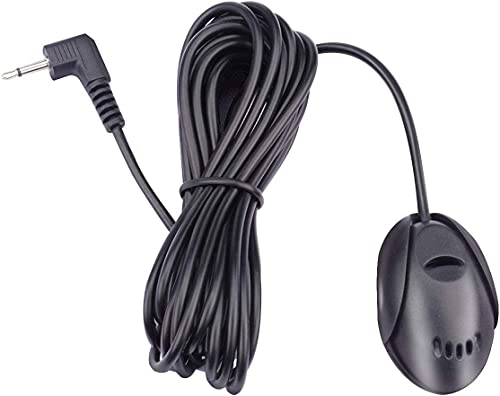
For those seeking an exceptional audio experience in their vehicles, the FingerLakes 3.5mm External Microphone stands out as a top choice. This microphone features a 3.5 mm plug, making it compatible with various audio systems, including Bluetooth-enabled head units and GPS devices. With a 3-meter cable, you can easily position it for ideal sound capture. The electret condenser design guarantees high sensitivity and clear communication, while its omnidirectional capabilities reduce noise interference. Installation is a breeze, thanks to adhesive stickers that allow you to mount it wherever needed. Experience improved speech quality on your hands-free calls effortlessly.
Best For: Those seeking a high-quality external microphone for hands-free communication and audio enhancement in their vehicles.
Pros:
- Versatile Compatibility: Works with various audio systems, including Bluetooth-enabled devices, GPS, and car radios.
- Easy Installation: Features adhesive stickers for simple mounting on different surfaces.
- Enhanced Sound Quality: Omnidirectional design and electret condenser technology ensure clear and stable audio transmission.
Cons:
- Cable Length Limitation: The 3-meter cable might not be sufficient for larger vehicles or specific installation needs.
- Dependent on Compatibility: Requires a 3.5 mm input, limiting use with systems that do not support this connection.
- Environmental Sensitivity: Performance may vary in extreme weather conditions or high-noise environments.
Beyerdynamic MM-1 Omnidirectional Condenser Measurement Microphone

With its exceptional frequency response of +/- 1.5dB from 50Hz to 16kHz, the Beyerdynamic MM-1 Omnidirectional Condenser Measurement Microphone stands out as a top choice for audio professionals and enthusiasts alike. Weighing just one pound, its slender shotgun design minimizes environmental interference, ensuring accurate readings. With a sensitivity of 38 dB and a signal-to-noise ratio of 74 dB, you’ll get reliable results for mixing, mastering, and live sound. Plus, it’s compatible with spectrum analyzers, making it ideal for precise SPL measurements. Customers rave about its performance, giving it a perfect rating of 5.0 stars!
Best For: The Beyerdynamic MM-1 is best for audio professionals and enthusiasts seeking precise measurement and reliable performance in mixing, mastering, and live sound environments.
Pros:
- Exceptional frequency response with minimal deviation, ensuring accurate sound representation.
- Lightweight and slender design that reduces environmental interference for consistent readings.
- High sensitivity and signal-to-noise ratio providing reliable results in various audio applications.
Cons:
- Corded electric power source may limit mobility compared to battery-operated alternatives.
- Plastic construction might raise concerns about durability for heavy use.
- Higher price point compared to some entry-level microphones may not fit all budgets.
FingerLakes 3.5mm Microphone Assembly for Car Stereo
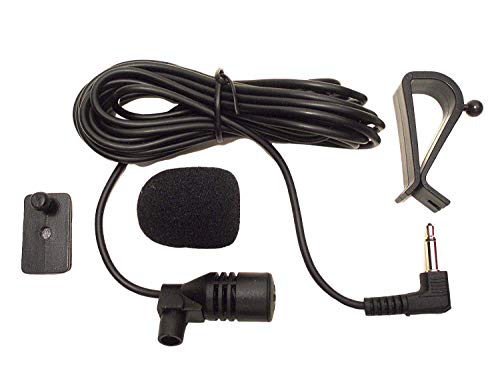
Offering high sensitivity and low impedance, the FingerLakes 3.5mm Microphone Assembly is perfect for those who want to enhance audio communication in their vehicles. This electret condenser microphone connects easily to most car radios with a 3.5mm Mic input, ensuring compatibility with your setup. With a wire length of 3 meters, you can position it conveniently using the included dash mount or visor clip. Experience clear and stable voice transmission, even in challenging driving conditions, thanks to its anti-noise and anti-jamming features. Just plug it into the MIC port on the back of your unit for ideal performance.
Best For: Those seeking to improve audio communication in their vehicles with a reliable and easy-to-install microphone solution.
Pros:
- High sensitivity and low impedance for optimal audio quality.
- Anti-noise and anti-jamming features ensure clear voice transmission in various driving conditions.
- Flexible installation options with dash mount and visor clip for convenient positioning.
Cons:
- Compatibility limited to car radios with 3.5mm Mic input, which may exclude some models.
- Not suitable for direct AUX input, requiring specific connection to the MIC port.
- Length of wire (3 meters) may be too long or short for certain vehicle setups.
Car Microphone 3.5mm for Vehicle Stereo Audio Radio

When you’re upgrading your car audio system, choosing the right microphone can make all the difference in sound clarity, especially during hands-free calls. The 3.5mm car microphone is compatible with major brands like Sony, Pioneer, and Kenwood, making it a versatile choice for your vehicle. Its 16.4ft cable offers flexible installation, while the omnidirectional design guarantees clear communication, even in noisy environments. Installation is a breeze with included clips and adhesive options. Just remember to connect it to the mic port, not the AUX port, for peak performance. Enjoy enhanced audio quality with this reliable microphone!
Best For: Anyone looking to upgrade their car audio system with a reliable microphone that offers clear hands-free calling and compatibility with major brands.
Pros:
- High sensitivity and low impedance design ensures excellent audio quality during calls.
- 16.4ft cable provides flexibility for installation in different vehicle setups.
- Easy installation with included clips and adhesive options, making it user-friendly.
Cons:
- Requires connection to the mic port, which may not be intuitive for all users.
- Limited compatibility with some brands and models outside the listed ones.
- The omnidirectional design may pick up background noise in very loud environments.
Factors to Consider When Choosing Calibrated Measurement Microphones for Car Audio
When choosing a calibrated measurement microphone for car audio, you’ve got several key factors to keep in mind. Consider the microphone type, frequency response range, and connectivity options that suit your setup. Also, pay attention to sensitivity, impedance levels, and how easy it is to install the microphone in your vehicle.
Microphone Type Selection
Choosing the right type of calibrated measurement microphone for your car audio system is vital for achieving accurate sound analysis. First, decide between an omnidirectional or directional microphone. Omnidirectional mics capture sound from all angles, while directional mics focus on specific sources, which can help isolate sound characteristics. Next, pay attention to the microphone’s sensitivity rating; higher sensitivity allows for better capture of quiet sounds, important for detailed measurements. Also, verify compatibility with your audio system regarding connector types—3.5mm or 2.5mm—to avoid extra adapters. Finally, opt for microphones that come with unique calibration files to guarantee accurate sound reproduction and analysis, enhancing your vehicle’s audio performance.
Frequency Response Range
Understanding the frequency response range of a calibrated measurement microphone is key to capturing accurate sound in your car audio system. Typically, this range spans from 20 Hz to 20 kHz, allowing you to accurately measure low bass notes and high treble sounds. A wider frequency response means more detailed audio analysis, which is vital for calibration. Look for microphones with a specified deviation, like ±1.5 dB, to guarantee consistent accuracy across the range. When choosing, consider the specific frequencies you want to measure, as some microphones perform better in certain areas, like low-end bass or high-end treble. For the best results, pick a microphone that meets or exceeds the frequency range of your audio equipment for reliable sound reproduction.
Connectivity Options Available
Connectivity options play an essential role in selecting calibrated measurement microphones for your car audio system. Look for microphones with 3.5mm TRRS jacks, as they’re common in many mobile devices and audio systems. USB connectivity is also a great choice, allowing direct connections to computers without needing extra drivers, which streamlines your setup.
Flexibility is key, so consider microphones compatible with both 3.5mm and 2.5mm inputs, enabling connections to a wider range of vehicle audio systems. Additionally, opt for models with long cable lengths, like 5 meters, to facilitate installation in various locations within your vehicle. Finally, guarantee the design includes anti-noise and anti-jamming features to keep your audio measurements clear even while driving.
Sensitivity and Impedance Levels
When it comes to selecting calibrated measurement microphones for your car audio system, sensitivity and impedance levels are essential factors that can greatly influence your audio experience. Sensitivity indicates how well a microphone converts sound pressure into an electrical signal. Higher sensitivity values, typically around 30 to 40 dB, mean better performance in capturing quieter sounds. On the other hand, impedance affects compatibility with your audio equipment. Microphones with around 2,200 Ohms impedance work well with most car audio systems, while lower impedance options (600 Ohms or less) are better for direct connections. Consider how sensitivity and impedance interact, as this relationship can impact the clarity and overall quality of your recordings, especially in challenging environments like vehicles.
Installation Flexibility and Ease
After considering sensitivity and impedance levels, the next step is to evaluate installation flexibility and ease for your calibrated measurement microphone. Look for microphones with long cable lengths of at least 3 meters to give you more options for installation locations within your vehicle. Make sure the microphone has a standard 3.5mm plug for compatibility with most car audio systems, allowing for easy plug-and-play functionality. Consider models that come with mounting accessories, like dash mounts or adhesive stickers, for secure and convenient installation. Opt for omnidirectional designs to capture sound from multiple directions without needing precise placement. Finally, verify that the installation process is straightforward, requiring no specialized tools, making it quick and user-friendly for everyone.
Calibration Accuracy Importance
While you might be tempted to overlook calibration accuracy when selecting a measurement microphone for your car audio system, its importance cannot be overstated. Calibration accuracy guarantees your microphone provides precise sound level measurements, which directly impacts your audio system’s tuning. A calibrated microphone typically includes a unique calibration file that accounts for its specific frequency response and sensitivity characteristics. This accuracy helps you identify and correct room acoustics issues, leading to improved sound quality during playback. Using a properly calibrated microphone minimizes distortions and anomalies in audio signals, resulting in more reliable and consistent performance. Remember, the effectiveness of auto calibration processes in your audio system largely depends on the precision of the measurement microphone you choose.
Compatibility With Equipment
Choosing a calibrated measurement microphone that’s compatible with your car audio equipment is essential for achieving the best sound quality. First, check if it works with your specific head unit or receiver, as connection types can vary by brand. Opt for microphones with standard 3.5mm or 2.5mm connectors to guarantee broad compatibility with most systems. If you’re using Bluetooth-enabled devices or aftermarket setups, verify the microphone’s ability to integrate seamlessly for improved audio clarity. Additionally, look for models that include adapters or cables for flexible installation options. Finally, consider microphones with noise cancellation features to enhance performance in mobile environments, minimizing external sound interference during measurements.
Build Quality and Durability
When selecting a calibrated measurement microphone for car audio, build quality and durability are essential factors that can’t be overlooked. You’ll want a microphone constructed with rugged components to withstand automotive environments, where vibrations and temperature fluctuations are common. Look for models that come with protective accessories like carrying cases, windscreens, and clips, which enhance durability during transport and use. The casing material should resist impacts and scratches, ensuring your microphone maintains performance over time. Opt for a well-designed microphone featuring a reliable connector type, such as XLR or TRRS, that holds up against frequent plugging and unplugging. If you plan to use the microphone in varying environmental conditions, consider those with weather-resistant features for added longevity and reliability.